
"Unlock Your Running Potential: How the Run-Walk Method Can Help You Go Farther and Faster"
Run-Walk-Run Method: The Quick Answer
The run-walk-run method means alternating a set period of running with a short walk break, starting from the first minute of your run – not waiting until you are tired. The slower your pace, the shorter your run segments should be. Use these intervals as a starting point:
| Your easy running pace | Run | Walk |
|---|---|---|
| Faster than 5:00/km (≈8:00/mile) | 5–8 minutes | 30 seconds |
| 5:00–6:00/km (≈8:00–9:40/mile) | 4 minutes | 30 seconds |
| 6:00–7:00/km (≈9:40–11:15/mile) | 3 minutes | 30–45 seconds |
| 7:00–8:00/km (≈11:15–12:50/mile) | 2 minutes | 30–60 seconds |
| Slower than 8:00/km (≈12:50/mile) | 30–60 seconds | 30–60 seconds |
Beginner vs. marathon run-walk-run
| Beginner (building to 5K) | Marathon runner | |
|---|---|---|
| Starting ratio | 15–30 sec run / 30–45 sec walk | 3–5 min run / 30 sec walk |
| When to walk | From the first interval | From the first mile – not just when tired |
| How to progress | Add 15–30 sec of running every 1–2 weeks | Rehearse your race ratio on every long run |
| Main goal | Build consistency without injury | Avoid the late-race slowdown |
Training for a marathon? Our marathon coaching builds your run-walk-run strategy, long runs and race-day pacing around you, with a free consultation to get started.
A Smarter Way to Build Endurance
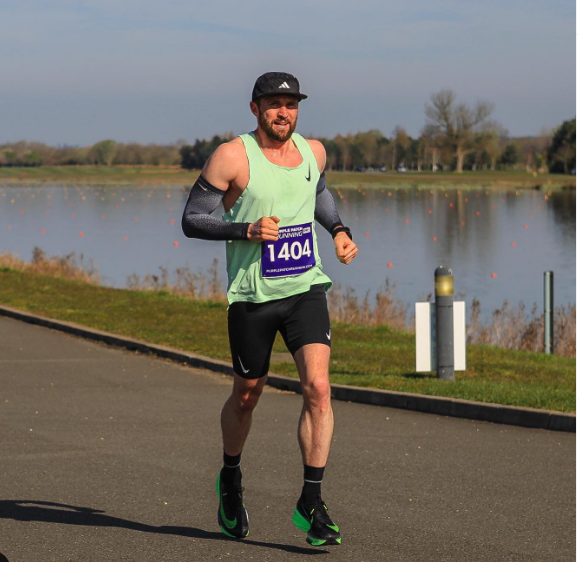
If you've ever felt like running is just too hard or found yourself battling injuries, there's a simple yet powerful technique that could change your running experience: the run-walk method. Developed by Olympian Jeff Galloway, this strategy is designed to help runners of all levels improve their endurance, reduce fatigue, and stay injury-free.
What is the Run-Walk-Run Method?
The run-walk method involves alternating between running and walking at set intervals throughout your workout. Instead of running until you're exhausted, you insert strategic walk breaks to keep your energy levels stable. Surprisingly, these breaks can actually help you run farther and faster over time.
Why Does It Work?
The key to the run-walk method's success is its ability to manage fatigue. By incorporating walk breaks before you become overly tired, you give your muscles a chance to recover, which helps you maintain a steady pace for longer distances. This technique also reduces the risk of injury since your body gets mini-recovery periods during the workout.
How to Use the Run-Walk-Run Method
The ideal run-to-walk ratio depends on your pace and experience level:
- Beginners: Try running for 15-30 seconds and walking for 30-45 seconds.
- Intermediate Runners: Aim for 3-5 minutes of running followed by 1-2 minutes of walking.
- Advanced Runners: For longer runs, consider a 6-8 minute run with 30-second walk breaks to maintain endurance without compromising speed.
Tips for Success
- Be Consistent: Stick to your planned intervals, even if you feel strong enough to skip a walk break. The method's success relies on proactive recovery.
- Pace Yourself: Start slower than you think you need to, especially in the early stages of your run.
- Stay Flexible: If you're feeling fatigued, adjust your run-walk intervals as needed. The goal is to finish strong, not to push yourself to exhaustion.
- Embrace the Mental Boost: Walk breaks aren't a sign of weakness; they’re a smart strategy. Knowing you have a break coming can make long runs feel much more manageable.
Why You Should Try It
The run-walk method is perfect for runners recovering from injury, building distance, or simply seeking a more enjoyable way to train. By listening to your body and pacing yourself wisely, you can improve your endurance while staying safe and motivated.
Whether you're training for a marathon or just hoping to conquer your local 5K, incorporating strategic walk breaks might be the key to running stronger, longer, and happier. Give it a try — your legs will thank you!
Run-Walk-Run Method FAQs
What is the run-walk-run method?
It is a way of running where you alternate short running segments with planned walk breaks from the very start of a run, rather than walking only once you are tired. Popularised by Olympian Jeff Galloway, the early, regular breaks keep fatigue under control so you can go further and finish stronger.
What is the best run-walk ratio for beginners?
Start with 15–30 seconds of running and 30–45 seconds of walking. Once that feels comfortable, add 15–30 seconds to each run segment every week or two. There is no rush – consistency matters far more than how quickly you drop the walk breaks.
Can you run a marathon using run-walk-run?
Yes. Many runners finish a marathon faster with run-walk-run because they avoid the big slowdown in the final 10 km. Start your walk breaks from the first mile (a common marathon ratio is 3–5 minutes running to 30 seconds walking) and practise the exact ratio on your long runs. If you want a plan built around your pace and goal race, take a look at our marathon coaching.
Is walking during a run cheating?
No. You still cover the full distance, and plenty of experienced runners use planned walk breaks to protect their legs and run more consistently. Walk breaks are a pacing strategy, not a sign of weakness.
How fast should I walk during the walk breaks?
Walk briskly but relaxed, with a short, comfortable stride. A 30–60 second walk is usually enough to let your heart rate and legs settle before the next run segment.
How do I time my run-walk intervals?
Most GPS running watches have a built-in run/walk or interval alert that will beep or vibrate when it is time to switch. A free interval-timer app on your phone works just as well.
Training for a triathlon? Plenty of IRONMAN athletes use run-walk-run on the marathon leg, walking through each aid station to hold their pace late in the race. Our IRONMAN coaching builds this into your race-day plan.
Thanks
Coach Brett